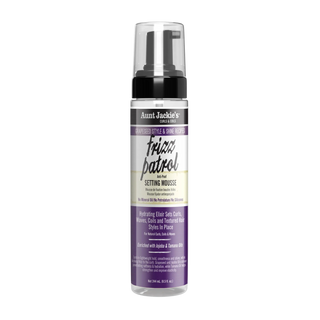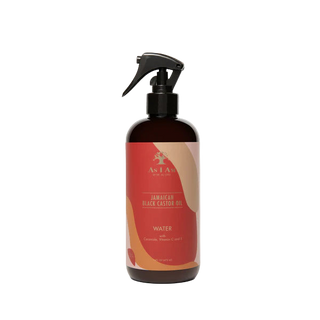
Hair dryness is one of the most common frustrations across waves, curls, and coils. People try masks, oils, creams, and expensive treatments, yet the hair still feels thirsty.
The reason is simple: most routines confuse hydration with moisture, even though they are completely different steps.
Understanding how these two work will instantly upgrade your routine and make your hair softer, healthier, and easier to style.
Hydration vs Moisture: Two Different Needs
Hydration = Water
Hydration means adding water into the hair.
Water is what keeps strands bouncy, plump, and flexible. Without it, hair becomes stiff, fragile, and frizzy.
Products that hydrate:
• conditioners
• leave-ins
• lightweight curl milks
• any formula where water is a main ingredient
Hydrating products feel wet, juicy, and instantly softening.
Moisture = Locking water in
Moisturizing means sealing the hydration so it does not evaporate.
This step uses ingredients like butters or oils to form a barrier that keeps water inside the strand.
Products that moisturize:
• creams
• butters
• oils and serums
• richer leave-ins designed to seal
Moisturizing products feel creamy, richer, and more protective.
Think of it like skin care
This makes everything extremely simple.
Hydration = serum
Moisture = face cream that locks the serum in
If you apply only the cream without the serum, your skin does not get the hydration.
If you apply only the serum without sealing, your skin dries out again.
Hair works the same way.
Why Hydration Matters More Than You Think
Many people assume “my hair needs moisture,” but in reality the hair needs water first.
Signs you are missing hydration:
• frizzy halo
• brittle ends
• curls that do not clump
• hair feels soft when wet but rough when dry
• curls collapse quickly
• hair absorbs water slowly (low porosity) or too fast (high porosity)
When the hair truly receives water, everything changes.
Curls bounce. Waves form naturally. Coils soften.
Why Moisture Is the Step That Makes It Last
Hydration evaporates if you do not seal it.
Moisturizing ingredients sit on top of the strand and slow down water loss.
Signs you need more moisturizing:
• hair feels hydrated after styling but dries out within hours
• curls look good on day one but frizzy on day two
• weather affects your hair easily
• colored or bleached hair loses water quickly
• hair dries “puffy” instead of smooth
Moisture is what creates durability.
How to Know Which One You Need More
If your hair feels rough, brittle, or dehydrated:
Increase hydration.
Use water-based leave-ins, hydrating conditioners, and techniques like “squish to condish.”
If your hair looks good wet but dries frizzy:
Increase moisture.
Use a richer cream or a sealing step.
If your routine feels heavy and greasy:
Too much moisture, not enough hydration.
Balance with lightweight products and more water.
If your curls fall limp or feel coated:
You are sealing without hydrating.
Add a proper hydrating step first.
Porosity Changes the Balance
Your porosity determines how much hydration and moisture your hair can hold.
Low porosity
Cuticle is tight. Water absorbs slowly.
Needs light hydration + very light moisturizing to avoid buildup.
Medium porosity
Balanced.
Works well with hydration first, then a medium cream or gel.
High porosity
Water enters and escapes quickly.
Needs deep hydration + stronger sealing, like rich creams or light oils.
The Perfect Order: Hydrate, then Moisturize
Your routine becomes dramatically easier when you follow the correct sequence:
-
Water + conditioner (hydration)
-
Leave-in (extra hydration)
-
Cream or light oil (moisture/seal)
-
Gel for definition (optional)
Hydration makes the curls soft. Moisture makes them last.
The Takeaway
Dry hair is rarely about one product. It is about balance.
Hydration gives your hair the water it needs. Moisture locks that hydration in. When you understand the difference, you stop guessing, you stop overloading your hair, and you start building a routine that actually works.