Perimenopause has a way of showing up quietly. For many women, the first sign is not a missed period or a hot flash. It is the hair.
A scalp that was once oily starts to feel tight and dry. Strands that used to be smooth become rough or frizzy. Density shifts subtly at the temples or crown. Shedding during washing feels heavier. The changes are often gradual, uneven, and confusing.
This guide is here to make sense of what is happening and to offer practical, realistic ways to care for your hair and scalp during this transition.
What Is Perimenopause?
Perimenopause is the transitional phase before menopause. Menopause is officially defined as twelve consecutive months without a menstrual period. Perimenopause can begin years earlier, sometimes as early as the late thirties, though it more commonly starts in the forties.
Unlike menopause, which marks a clear endpoint, perimenopause is characterized by hormonal fluctuation. Estrogen levels rise and fall irregularly rather than declining in a straight line. These fluctuations affect the entire body, including hair follicles and the scalp.
This stage can last several years. During that time, hair and scalp changes may appear, fade, and reappear in cycles.
Why Your Hair Feels Different
Hair changes during perimenopause rarely have a single cause. Instead, several overlapping processes are happening at once.
1. The Growth Phase Shortens
Hair grows in cycles. The active growth phase, called anagen, determines how long a hair can grow and how many hairs are growing at one time.
Estrogen helps support this growth phase. When estrogen signaling fluctuates, some follicles may spend less time in anagen. At the same time, androgens such as DHT do not decline in parallel, which can shift the hormonal balance further.
What this means in real life:
- Hair may grow more slowly
- Shed hairs take longer to be replaced
- Density can gradually appear reduced
- Changes feel subtle but cumulative
This is why many women describe their hair as “not what it used to be,” even without dramatic hair loss.
2. Follicles Produce Lower-Quality Hair
The follicle is a living mini-organ. When its environment changes, the hair it produces changes too.
With hormonal shifts and aging:
- Blood flow and structural support around the follicle may decline
- Surrounding tissue becomes less resilient
- Follicles may produce finer, more fragile hairs
Some hairs begin to feel rough or irregular. You may notice strands that bend unpredictably, stick up, or refuse to blend into your natural curl or wave pattern. What feels like “damage” is often a change in how the hair is being formed.
Additionally, follicles lose some of the fatty cushioning that helps anchor hair securely. As a result, everyday grooming can dislodge hairs more easily.
3. Sebum Production Declines
Sebum is your scalp’s natural oil. It lubricates the hair shaft, reduces friction, and contributes to shine and manageability.
Research shows that sebum production decreases during and after perimenopause. The result is not necessarily structural dryness, but reduced lubrication.
You may notice:
- A scalp that feels tighter or less oily
- Hair that tangles more easily
- Increased frizz
- Loss of natural shine
If you always had an oily scalp, this shift may initially feel like a relief. Over time, however, less lubrication means more friction and more need for external conditioning.
4. The Scalp Ages Too
The scalp is skin. Like the rest of the skin on your body, it loses collagen, elasticity, and structural integrity over time.
As scalp support weakens:
- Hair may be less securely anchored
- Shedding during brushing and washing may increase
- Sensitivity or irritation may become more noticeable
This does not necessarily mean pathological hair loss. It means the environment holding your hair in place is less resilient.
Why the Changes Are Uneven
One of the most frustrating aspects of perimenopausal hair changes is their inconsistency.
Estrogen fluctuates unpredictably. Follicles also vary in their sensitivity to hormones depending on their location. The front and top of the scalp are often more affected than the back.
You might notice:
- Thinning at the temples
- Frizz concentrated near the hairline
- Coarser hairs in unexpected places
This uneven response is normal. It reflects regional differences in hormone receptor density and follicle sensitivity.
Practical Haircare Adjustments
The goal is not to “reverse” perimenopause. It is to support the hair and scalp you have now.
Replace Lost Lubrication
As sebum declines, conditioning becomes more important.
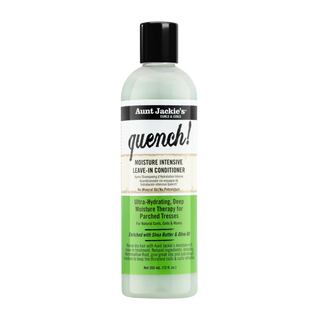
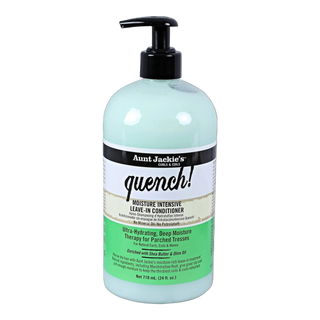
- Use leave-in conditioners strategically, focusing on drier areas
- Consider lightweight oils on the ends before washing to reduce friction
- Look for products that mimic natural lipids
Conditioning is no longer optional. It becomes foundational.
Choose Slip During Washing
When hair is more fragile and less securely anchored, mechanical stress matters.
- Use shampoos that cleanse without excessive stripping
- Concentrate stronger treatments on the scalp only
- Use gentler formulas on lengths
Reducing friction during washing can meaningfully decrease breakage and unnecessary shedding.
Deep Condition for Manageability
Deep conditioning does not change how hair grows, but it can improve softness and flexibility.
This helps:
- Tame irregular or “meandering” hairs
- Improve detangling
- Reduce frustration during styling
Consistency matters more than intensity.
Use Hold Strategically
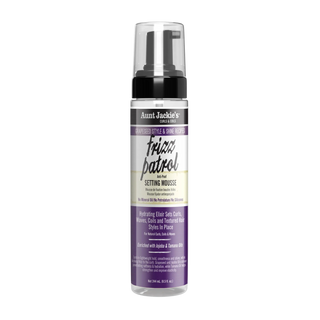
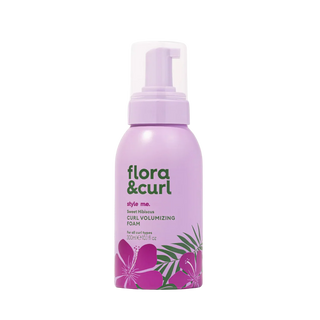
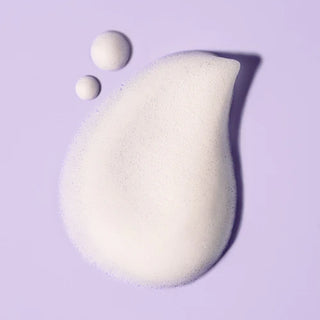
As texture becomes less uniform, stronger hold stylers such as gels or mousses can help control halo frizz and prevent repeated manipulation throughout the day.
Less touching equals less mechanical stress.
Hair Habits Matter More Than Ever
When hair is easier to dislodge, daily handling becomes a major factor.
Consider:
- Avoiding tight, high-tension styles
- Reducing aggressive brushing
- Limiting repeated extension installation
- Switching to satin scrunchies or gentle clips
At night:
- Use a satin bonnet or satin (or silk!) pillowcase
- Consider loose, low-tension braids
- Minimize friction from tossing and turning
Mechanical protection can be as important as product selection.
Scalp Care in Perimenopause
A stable scalp environment becomes increasingly important.
- Wash regularly to limit microbial imbalance and sebum oxidation
- Consider anti-fungal shampoos if appropriate
- Look for scalp serums that focus on antioxidant support and inflammation reduction
Keep expectations realistic. Cosmetic products cannot override hormonal change. They can, however, support a healthier environment for growth.
When to See a Medical Professional
While many changes are normal, some warrant evaluation:
- Rapid or severe hair loss
- Patchy thinning
- Scalp pain
- Symptoms that feel disproportionate
Perimenopause can overlap with thyroid disorders, iron deficiency, and other treatable conditions. Screening provides clarity and peace of mind.
Haircare supports manageability. It does not replace medical care when needed.
Living With the Transition
Understanding perimenopause often reduces panic. The changes feel less personal and less mysterious.
Some shifts are even welcome. A less oily scalp. New styling options. A reason to refine your routine.
The goal is not to freeze your hair in time. It is to:
- Protect what you have
- Reduce unnecessary loss
- Improve manageability
- Support scalp health
With realistic expectations and thoughtful adjustments, hair can remain healthy-looking and resilient throughout this transition.

References adapted from research and educational materials available at CurlsBot.com.