Sulphate-free shampoos have become one of the most discussed topics in haircare, yet also one of the most misunderstood. Many people associate cleansing power with foam, and foam with “clean hair.” In reality, science tells a more nuanced story about how cleansing agents interact with the scalp, its natural oils, and long-term hair health.
At Curlhop, we believe in clarity over confusion. So let us break it down in a simple, evidence-informed way.
What are sulphates, really?
Sulphates are cleansing agents (surfactants) commonly used in traditional shampoos. Their main role is to lift oil, dirt, and product buildup from the scalp.
They are effective, fast-working, and create a rich lather that many people associate with deep cleansing.
However, research in dermatological science shows that strong surfactants can also remove part of the scalp’s natural lipid barrier when used frequently or in high concentrations. This barrier plays an important role in maintaining moisture balance and protecting the skin.
Why sulphate-free shampoos behave differently
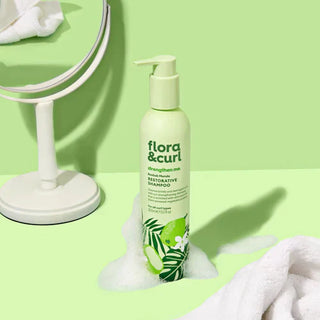
Sulphate-free shampoos use milder surfactants. They are designed to clean the scalp while preserving more of its natural protective lipids.
This does not mean they clean less. It means they clean more selectively.
Instead of stripping everything at once, they focus on removing buildup while maintaining a healthier scalp environment over time.
The “no foam = no clean” myth
One of the biggest misconceptions is that foam equals effectiveness.
Foam is actually a cosmetic effect created by specific surfactant types and water interaction. It is not a direct indicator of cleansing performance.
Sulphate-free shampoos often produce less foam, especially if not properly emulsified with water. This can lead to the false impression that they are not working.
In reality, the cleansing process is still happening, just in a gentler and less aggressive way.
Why this matters even for oily hair
A common concern is that sulphate-free shampoos are “too mild” for oily scalps.
However, scalp oil production is influenced by balance. When the scalp is repeatedly stripped of its natural oils, it may respond by increasing sebum production as a protective mechanism.
This is why some people experience a cycle of:
stripping → dryness → rebound oiliness.
Gentler cleansing can help reduce this cycle and support a more stable scalp environment over time.
Not all sulphate-free shampoos are the same
This is where things get even more important.
Sulphate-free does not mean one category. There are different levels of cleansing strength depending on the surfactant system used:
Some are very gentle, designed for frequent use and sensitive scalps.
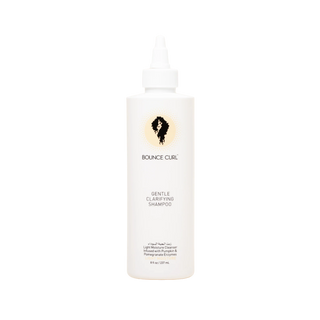
Others are more clarifying, designed to remove buildup and heavier styling products.
They are not interchangeable.
How to use sulphate-free shampoos correctly
Technique matters just as much as formulation.
For best results:
- Start with 1-3 pumps
- Apply on very wet hair
- Emulsify the product in your hands first
- Add water gradually while massaging the scalp
- Focus first on the scalp, then distribute through lengths if needed
If there is heavy buildup or oiliness, a second light cleanse is often more effective than using more product in the first wash.
How Curlhop helps you choose better
At Curlhop, we group shampoos by their level of cleansing power and function.
This helps remove the guesswork and allows you to choose based on your scalp’s actual needs, not marketing labels.
Because “sulphate-free” alone is not enough information.
Understanding how gentle or how clarifying a formula is makes all the difference.
Final thought
Sulphate-free shampoos are not a trend or a compromise.
They represent a shift towards more scalp-aware, balanced cleansing routines. When chosen and used correctly, they can support healthier-feeling hair, improved comfort, and better long-term scalp balance.
The goal is not stronger cleansing.
The goal is smarter cleansing.